
Southeast Asia 2026
Lizards, Toads, and More: A Field Report from Cambodia
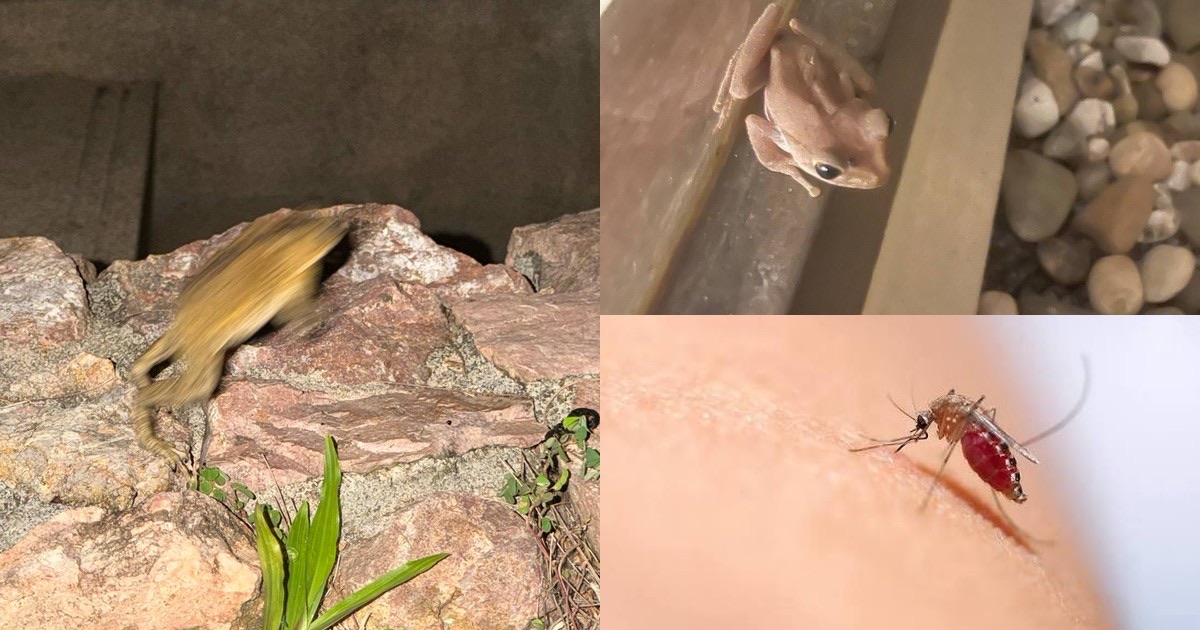
During our stay in Siem Reap, I observed several local wildlife species around the hotel grounds. While some were harmless, others posed potential safety risks. Here is my report on the amphibians and reptiles I encountered.
The Asian Common Toad (Flash)
Danger Level: Moderate
Creepy Rating: 6/10
While exploring the grounds near the beach, I spotted a specimen moving through the grass. It had dry, bumpy skin and a distinctive ridge above its eyes.
This was the Asian Common Toad.
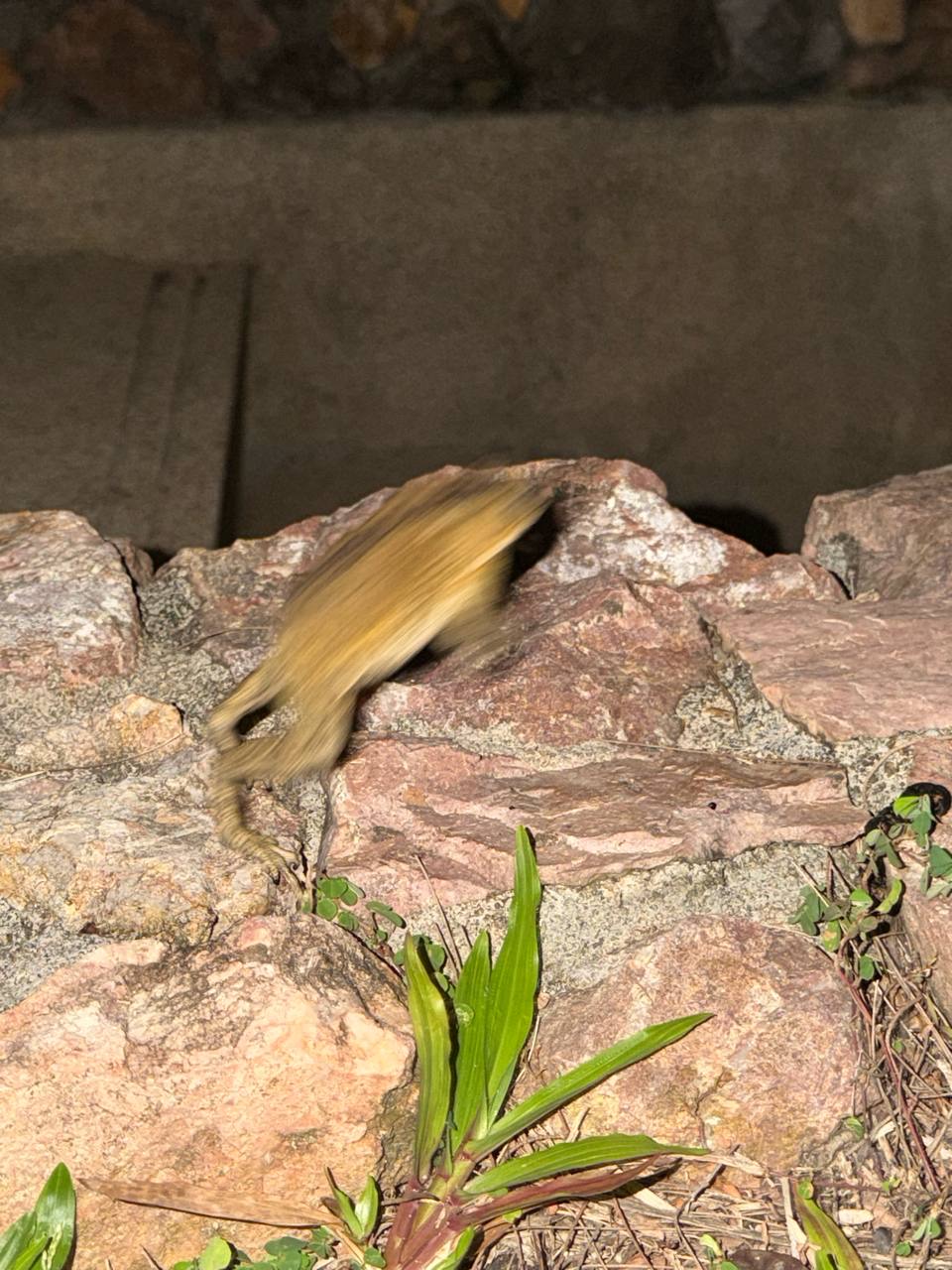
We nicknamed him “Flash” because, despite his sluggish appearance, he was surprisingly fast when evading us. I captured a photo of him mid-hop, appearing only as a blur.
Safety Warning:
When I first found him, I made the mistake of picking him up for a closer inspection. We later learned that this species possesses poison glands (parotoid glands) behind its eyes which secrete toxins. I washed my hands immediately to avoid irritation.
The Lesson: This toad is dangerous to handle. The rule for wildlife here is simple: Look, but do not touch.
The Common Tree Frog
Danger Level: Low
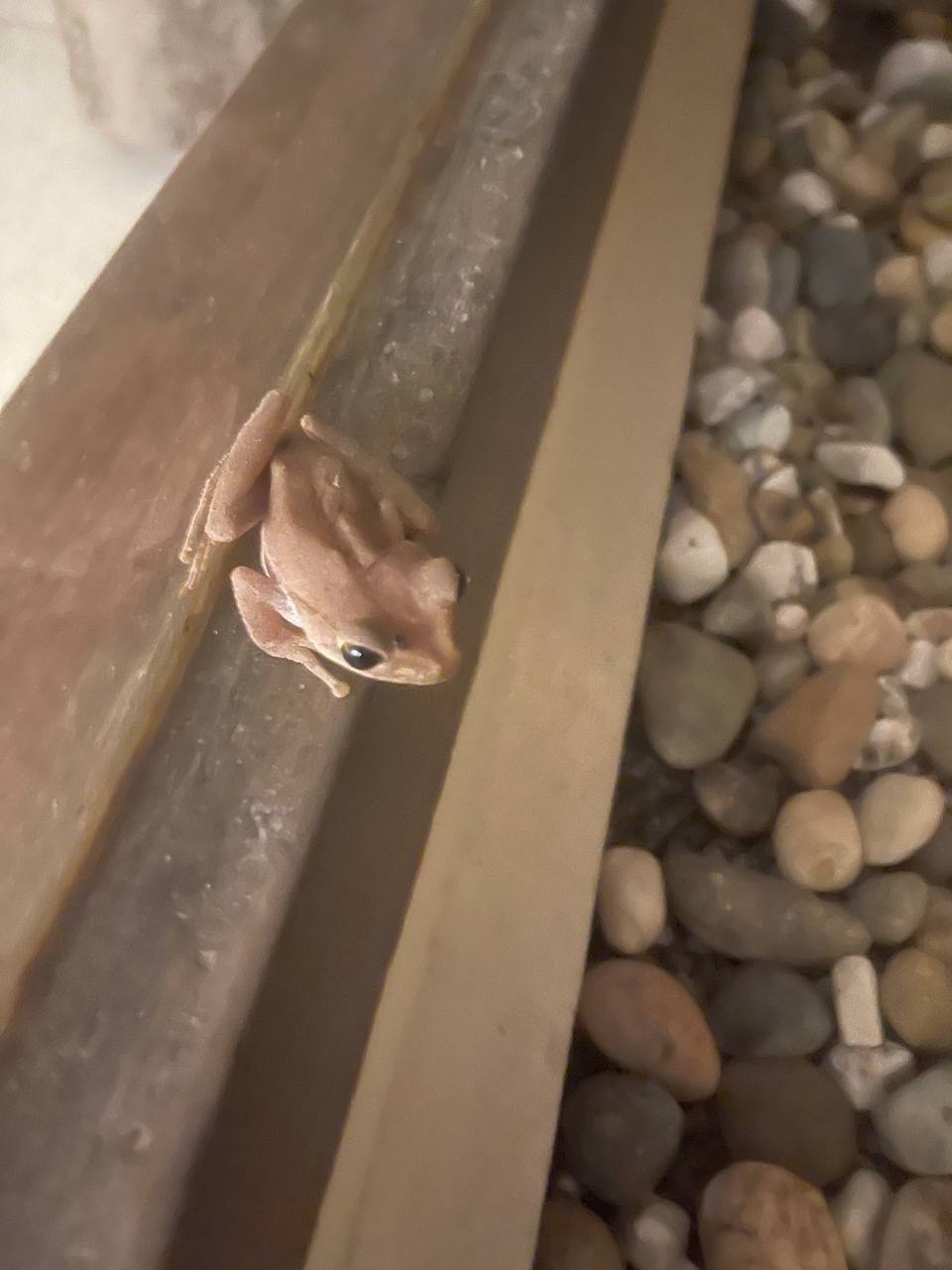
Unlike the toad, the Common Tree Frog was easier to observe. We found this one adhering to our glass window.
Comparison:
While the toad was terrestrial (ground-dwelling) and bumpy, this frog was smooth and arboreal (tree-climbing). You can clearly see its large, sticky toe pads gripping the ledge in the photo. It appeared much more docile than the toad, though I chose to observe it through the glass rather than handling it.
The House Geckos (Bug Patrol)
Status: Beneficial
If you look up at night around the hotel, you will almost certainly see House Geckos. They cling to walls and ceilings near light sources.
These lizards are actually helpful to have around. They act as natural pest control, feeding on mosquitoes and moths. The geckos in Siem Reap were smaller than the ones we saw in Koh Samui, but they were just as active. They make a distinct vocalization at night that sounds like a mix between a squeak and a chirp.
The Pest Report: Mosquitoes
Annoyance Rating: 7/10
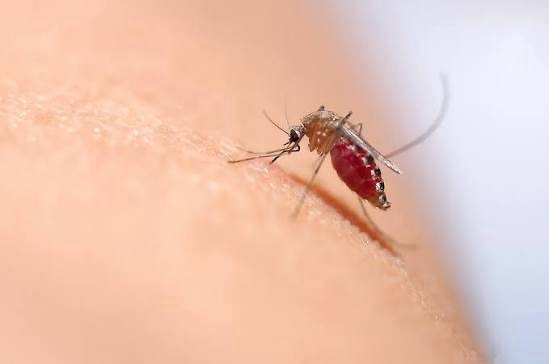
The insect population in Cambodia is significant, particularly the mosquitoes. They are moderately aggressive here.
Behavior:
They are most active at sunrise and sunset.
Defense Strategy:
My recommended defense is utilizing bug screens and repellent. Wearing long sleeves during peak hours is also advisable to avoid bites.
Conclusion
Out of all the wildlife I observed, the Asian Common Toad was the most memorable find due to the potential danger it posed. If you visit Cambodia, keep an eye out for these animals, but remember to keep a safe distance.